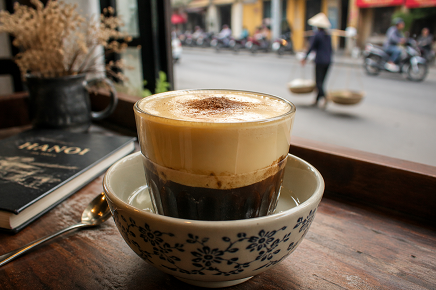
Egg Coffee in Vietnam style trending despite debates
The Origins of Egg Coffee in Vietnam
Egg coffee—known as cà phê trứng—has its roots in Vietnam during the 1940s. At the time, milk was scarce due to wartime shortages, especially in Hanoi. A creative bartender, Nguyễn Văn Giảng, decided to experiment with egg yolks as a substitute for milk.
By whisking egg yolks with sugar and combining them with strong, dark coffee, he created a thick, creamy beverage that mimicked the richness of milk-based drinks.
What began as a necessity quickly became a signature drink in Hanoi, eventually spreading across Vietnam and later gaining international recognition. Today, egg coffee is not just a drink—it’s a cultural icon that tells a story of innovation born from scarcity.
2. Why Egg Coffee in Vietnam Is Trending Globally
2.1 Social Media Influence
In recent years, egg coffee has exploded in popularity, largely thanks to platforms like TikTok, Instagram, and YouTube. Its visually striking appearance—a golden, frothy top layer sitting above dark coffee—makes it perfect for short-form videos and aesthetic food photography. People are naturally drawn to foods that look unique, and egg coffee delivers exactly that.
2.2 Curiosity-Driven Food Culture
Modern consumers are more adventurous than ever. There is a growing trend of exploring unusual foods and drinks, especially those with cultural significance. Egg coffee fits perfectly into this movement, offering both a unique flavor and a compelling backstory.
2.3 Café Culture and Global Adaptations
Specialty cafés around the world have embraced egg coffee, adding creative twists such as chocolate, matcha, or iced variations. This adaptability has helped the drink reach new audiences and remain relevant in different climates and cultures.
3. The Unique Taste of Egg Coffee in Vietnam and Experience
3.1 Flavor Profile
Egg coffee offers a rich and layered flavor experience. The whipped egg yolk mixture is sweet, creamy, and almost custard-like, while the coffee beneath is strong and slightly bitter. When combined, the two layers create a balanced taste that many people compare to desserts like tiramisu or coffee-flavored ice cream.
3.2 Texture and Presentation
The texture is one of the most defining features of egg coffee. The top layer is thick and velvety, almost like a mousse, while the coffee remains smooth and bold. Traditionally, it is served in a small cup placed in a bowl of hot water to keep it warm, enhancing the overall experience.
3.3 A Drink or Dessert?
One ongoing debate is whether egg coffee should be considered a beverage or a dessert. Its sweetness and richness blur the line, making it appealing to both coffee lovers and those with a sweet tooth.
4. Debates and Controversies
4.1 Food Safety Concerns
One of the biggest concerns surrounding egg coffee is the use of raw or lightly cooked egg yolks. Some people worry about the risk of foodborne illnesses if the eggs are not handled properly. This has led to skepticism, especially in regions where food safety standards vary.
However, many modern cafés address this issue by using pasteurized eggs or carefully controlled preparation methods. When made with fresh, high-quality ingredients, egg coffee is generally considered safe to consume.
4.2 Health Considerations
Egg yolks are rich in nutrients such as protein, healthy fats, and vitamins. However, they are also high in cholesterol, which raises concerns for some health-conscious individuals. While egg coffee can be enjoyed as an occasional treat, moderation is key for those monitoring their cholesterol intake.
4.3 Taste Polarization
Egg coffee is not universally loved. Some people find the idea of eggs in coffee unusual or even unappealing. Others, however, are pleasantly surprised by its creamy texture and dessert-like taste. This divide in opinion actually contributes to its popularity, as people are curious to try it for themselves.
5. The Future of Egg Coffee
5.1 Continued Global Expansion
Egg coffee shows no signs of fading from the spotlight. As more cafés experiment with new variations and flavors, the drink continues to evolve and attract new fans worldwide.
5.2 Home Brewing Trend
With the rise of online tutorials, many people are now making egg coffee at home. The process—whipping egg yolks and sugar into a thick foam—has become a satisfying and shareable experience, further fueling its popularity.
5.3 Cultural Significance and Legacy
Beyond its trendiness, egg coffee remains a symbol of creativity and resilience in Vietnamese culture. It represents how innovation can arise from limitation and how a simple idea can become globally celebrated.
Egg coffee’s journey from a wartime improvisation in Vietnam to a global trend highlights the power of creativity in food culture. Despite debates about safety, health, and taste, its unique combination of flavor, texture, and history keeps people intrigued.
Whether viewed as a bold experiment or a delicious indulgence, egg coffee continues to capture attention and spark conversation—proving that sometimes, the most unexpected ideas can leave the strongest impression.



Pingback: Most Searched Food Recipes in Nigeria (2026 Guide) - 9jafoods