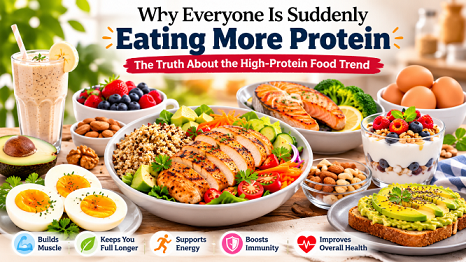
Can What You Eat Really Improve Your Health?
The Rise of Functional Foods: Can What You Eat Really Improve Your Health?
Food is no longer viewed simply as fuel. Around the world, more people are choosing foods that promise additional health benefits beyond basic nutrition. These products, known as functional foods, have become one of the fastest-growing trends in the food industry.

Functional foods: Can What You Eat Really Improve Your Health?
Functional foods are everyday foods that naturally contain beneficial compounds or have been enhanced with nutrients that may support specific aspects of health. They are designed to help people maintain wellness while potentially reducing the risk of certain chronic diseases.
This trend has gained enormous popularity because consumers are becoming increasingly interested in preventing illness rather than treating it later. Instead of waiting until health problems develop, many people are choosing foods believed to support immunity, digestion, heart health, brain function, and healthy aging.
Categories of functional foods : Can What You Eat Really Improve Your Health?
One of the biggest categories of functional foods is probiotic-rich products. Yogurt, kefir, fermented vegetables, kimchi, sauerkraut, and kombucha contain beneficial microorganisms that support the gut microbiome. Researchers continue to study the connection between gut bacteria and overall health, including digestion, immunity, and mental well-being.
Major trend : Can What You Eat Really Improve Your Health?
Another major trend involves foods rich in prebiotics. Unlike probiotics, prebiotics are fibers that feed beneficial gut bacteria. Foods such as onions, garlic, bananas, asparagus, oats, and Jerusalem artichokes naturally provide prebiotics that help maintain a healthy digestive system.
Seeds have also become nutritional superstars. Chia seeds, flaxseeds, hemp seeds, pumpkin seeds, and sunflower seeds are packed with fiber, healthy fats, plant protein, vitamins, and minerals. They are easy to add to smoothies, oatmeal, salads, yogurt, and baked goods.
Disadvantages
Berries continue to receive attention because they contain antioxidants, compounds that help protect cells from damage caused by free radicals. Blueberries, strawberries, raspberries, and blackberries are among the most nutrient-dense fruits available.
Leafy green vegetables such as spinach, kale, Swiss chard, and collard greens remain highly recommended due to their impressive levels of vitamins A, C, K, folate, calcium, and plant compounds associated with good health.
Healthy fats
Healthy fats are another key part of the functional food movement. Avocados, olive oil, nuts, seeds, and fatty fish provide unsaturated fats that support heart health and may reduce inflammation when consumed as part of a balanced diet.
Mushrooms have become particularly trendy. Varieties such as shiitake, oyster, lion’s mane, and maitake are increasingly featured in recipes and wellness products because they contain unique plant compounds being studied for their potential health effects.
Whole grains are also making a comeback. Oats, quinoa, barley, brown rice, millet, and whole wheat provide fiber that supports digestion while helping maintain healthy cholesterol levels.
Herbs and spices deserve attention as well. Turmeric, ginger, garlic, cinnamon, rosemary, oregano, and basil not only enhance flavor but also contribute beneficial plant compounds to the diet.
Consumers are also embracing beverages with added benefits. Green tea remains popular due to its antioxidant content, while matcha, herbal teas, and infused waters continue attracting health-conscious individuals seeking alternatives to sugary drinks.
Despite growing enthusiasm, it’s important to understand that functional foods are not miracle cures. Eating blueberries will not automatically prevent disease, nor will drinking kombucha instantly improve gut health. Most health benefits come from consistently eating a wide variety of nutritious foods over time.
Marketing can sometimes exaggerate the benefits of certain products. Labels claiming to “boost immunity,” “detoxify,” or “supercharge metabolism” should be approached with healthy skepticism. Scientific evidence varies depending on the food and the specific health claim.
Can What You Eat Really Improve Your Health?
The best functional foods are often the simplest ones. Fresh fruits, vegetables, beans, nuts, seeds, whole grains, fermented foods, and healthy fats provide naturally occurring nutrients without excessive added sugar, sodium, or artificial ingredients.