Fiber Rich Foods: The Foundation of Gut Health
Fiber Rich Foods: The Foundation of Gut Health
Fiber Rich Foods: : Why Fiber Is Trending in 2026
If there’s one nutrient dominating global nutrition trends right now, it’s fiber—and for good reason. Once overlooked in favor of protein, vitamins, and trendy superfoods, fiber has taken center stage as scientists and health experts uncover its powerful impact on gut health, immunity, and overall well-being.
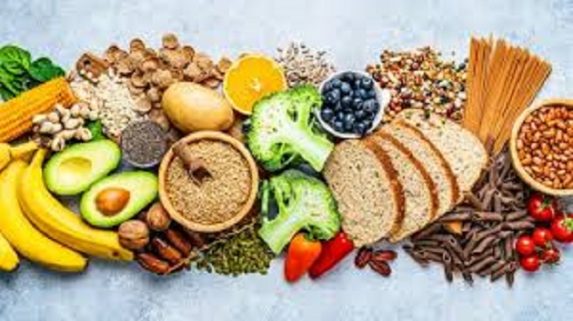
In 2026, conversations around “fibermaxxing”—the intentional effort to increase daily fiber intake—are booming. More people now understand that a healthy gut starts with what you feed it, and fiber is at the center of that conversation.
What Is Fiber and Why Does It Matter?
Fiber is a type of carbohydrate found in plant-based foods that the body cannot fully digest. Unlike other nutrients that are broken down and absorbed, fiber passes through the digestive system relatively intact.
But instead of being useless, this is exactly what makes it so valuable. Fiber acts as nourishment for the trillions of microorganisms living in your gut, known as the gut microbiome. These microbes rely on fiber to survive and function properly.
Fiber Rich Foods: How Fiber Feeds Your Gut Microbiome
When beneficial gut bacteria ferment fiber in the large intestine, they produce compounds called short-chain fatty acids (SCFAs), such as butyrate, acetate, and propionate. These compounds play a crucial role in maintaining overall health.
They help:
- Reduce inflammation
- Strengthen the gut lining
- Support immune function
- Improve digestion
- Regulate metabolism
In simple terms, when you eat fiber, you are feeding your gut—and when your gut is healthy, your whole body benefits.
Fibermaxxing: The New Health Movement
One of the biggest nutrition trends today is “fibermaxxing.” This approach focuses on intentionally increasing fiber intake to improve gut diversity and longevity.
People are no longer just counting calories—they are prioritizing gut health by ensuring their meals contain enough fiber to nourish beneficial bacteria. This shift reflects a deeper understanding of preventive health and long-term wellness.
Quantity vs. Diversity: What’s Changed in 2026
In the past, the focus was mainly on meeting daily fiber requirements—typically 25 to 35 grams. While that is still important, experts now emphasize something even more powerful: diversity.
Different types of fiber feed different types of gut bacteria. This means eating a wide variety of fiber-rich foods is more beneficial than relying on just one or two sources.
A “diverse fiber plate” helps build a richer, more balanced microbiome, improving digestion and overall health.
Top Fiber Rich Foods to Include in Your Diet
1. Oats
Oats are rich in soluble fiber, particularly beta-glucan. This type of fiber helps lower cholesterol, stabilize blood sugar, and support heart health. A bowl of oats is an easy and effective way to start your day.
2. Beans and Lentils
Beans and lentils are excellent sources of both soluble and insoluble fiber. They support digestion, promote fullness, and help regulate bowel movements. They are also affordable and widely available.
3. Chia Seeds and Flaxseeds
These tiny seeds are packed with fiber, healthy fats, and antioxidants. They are easy to add to smoothies, yogurt, or meals, making them a convenient way to boost fiber intake.
4. Fruits: Apples, Berries, and Pears
Fruits like apples, berries, and pears are rich in fiber, especially when eaten with their skins. They contain pectin, which supports digestion and helps maintain stable blood sugar levels.
5. Leafy Greens and Vegetables
Vegetables such as spinach, kale, carrots, and cabbage provide a wide range of fibers that feed different gut bacteria. They also supply essential vitamins and minerals.
Local Perspective: Fiber Rich Foods in Nigerian Diets
In Nigeria and across Africa, many traditional meals are naturally rich in fiber. Foods like beans, leafy vegetable soups, and whole grains already align with modern gut health recommendations.
This shows that improving gut health does not require expensive or imported foods. Local, natural ingredients can provide all the fiber your body needs.
How to Increase Fiber Intake Safely
While fiber is beneficial, it’s important to increase your intake gradually. Suddenly consuming large amounts of fiber can cause bloating, gas, or discomfort.
To avoid this:
- Add fiber-rich foods slowly
- Drink plenty of water
- Balance your meals with a variety of foods
Water is especially important because fiber absorbs water and helps move waste smoothly through the digestive system.
Fiber Rich Foods: The Importance of Consistency
Consistency is key when it comes to fiber intake. Eating fiber occasionally is not enough to maintain a healthy gut. Your microbiome needs regular nourishment.
By including fiber-rich foods in your daily meals, you support a stable and diverse gut environment over time.
Whole Foods vs. Processed Fiber Products
With the rise of fiber awareness, many packaged foods now highlight their fiber content. While these products can be helpful, experts recommend focusing on whole foods.
Natural sources of fiber come with additional nutrients like vitamins, minerals, and antioxidants that processed foods may lack.
Long-Term Benefits of a Fiber-First Diet
Adopting a fiber-first diet offers benefits beyond digestion. It can:
- Improve immune health
- Support heart health
- Help manage weight
- Reduce the risk of chronic diseases
By prioritizing fiber, you are investing in long-term wellness rather than short-term fixes.
Fiber Rich Foods Conclusion: The Power of a Fiber-First Lifestyle
The growing focus on fiber reflects a shift toward preventive health and better lifestyle choices. Instead of waiting for health issues to arise, people are taking control by nourishing their bodies from within.
The key takeaway is simple: a fiber-first diet is one of the easiest and most effective ways to improve your gut health. By eating a variety of fruits, vegetables, grains, seeds, and legumes, you can build a strong foundation for a healthier life.
In a world full of changing food trends, fiber remains constant—essential, powerful, and truly transformative.