Nigerian Cassava Fufu: How to Make Fufu From Scratch
Nigerian Cassava Fufu: How to Make Fufu From Scratch
Cassava fufu is a much‑loved West African swallow, and people commonly serve it with soups such as okra soup, egusi, efo riro, afang, and more.
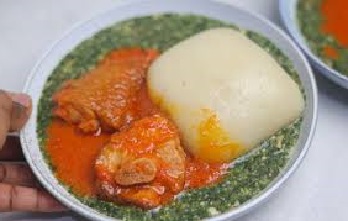
With a little patience and some arm strength, you can make smooth, stretchy fufu right in your own kitchen.
Nigerian Cassava Fufu: What Is Fufu?
Across many parts of West Africa, people use the word fufu to describe any swallow eaten with soup. In Nigeria, however, fufu specifically refers to cassava fufu, which people also call akpu or Santana, depending on the region.
Similarly, other West African countries use different names. For example, in Ghana, Cameroon, Sierra Leone, and Senegal, people call it fou fou, foo foo, or fo fo. Although the names and techniques vary slightly, the process remains the same when cassava pulp is used.
Ultimately, the goal is a silky, lump‑free swallow that you can make soft or firm to suit your preference. (Cassava is also known as yuca.)
Nigerian Cassava Fufu: What Is Nigerian Fufu Made Of?
Traditionally, Nigerians make fufu entirely from cassava dough. In contrast, many Ghanaian recipes combine cassava with plantain or rely solely on green plantain.
Meanwhile, in many UK African or Asian grocery stores, sellers label plantain fufu flour simply as “fufu.” However, this product differs from water fufu, which comes from fermented cassava. You can usually find fermented cassava dough in the freezer section, labelled placali. Fortunately, placali and fermented cassava fufu are essentially the same thing.
Nigerian Cassava Fufu: How to Make Fufu From Scratch. How Cassava Is Processed Into Fufu Dough (Placali)
To begin with, here is a simple overview of how fresh cassava becomes dough suitable for fufu:
- First, peel the cassava and cut it into chunks.
- Next, rinse the pieces thoroughly and submerge them in clean water.
- Then, cover and leave the cassava to ferment for 3–5 days.
Fermentation plays a crucial role in this process because it removes natural toxins and excess starch from the cassava. During this period, the cassava releases a sharp, pungent smell, so it is best to ferment it outdoors or in an airtight container.
After fermentation, follow these steps:
- Drain off the water; at this stage, the cassava should feel very soft.
- Blend the cassava in batches, adding a small amount of water to help the blades move smoothly.
- Pour the purée into a cheesecloth and squeeze out as much liquid as possible.
- For best results, hang the cloth over a bowl for another day to drain further.
At this point, your water cassava dough (placali) is ready to use.
How to Make Cassava Fufu
Admittedly, making fufu from scratch requires effort and constant stirring. Nevertheless, the result is deeply satisfying—especially if you live in the diaspora and miss the taste of home.
Step 1
Start by adding the cassava dough to a heavy‑bottomed pot. Break it into smaller pieces with your hands. Gradually add water, then mix by hand until the mixture becomes smooth and completely lump‑free. At this stage, the consistency should resemble thick double cream.
Step 2
Next, place the pot on medium‑low heat and begin stirring vigorously with a wooden spatula (turning stick). As you stir, the mixture will slowly change from bright white to off‑white while becoming thicker and stretchy.
As soon as stirring feels difficult, add small amounts of warm water to loosen the dough. Then, cover the pot and allow it to steam for 5–10 minutes. This step ensures the heat cooks the fufu thoroughly and softens it to your desired texture.
You will know the fufu is ready when it is no longer white and has an even off‑cream colour. Finally, portion it into bowls or wrap it in cling film until you are ready to serve.
What to Serve Fufu With
Fufu pairs beautifully with many Nigerian soups. For example, you can serve it with:
- Afang soup
- Ewedu with fish or turkey stew
- Ila alasẹ́pọ̀ (okra soup)
- Banga soup
How to Store Fufu
After cooking, you can keep fufu in a cool place on the countertop for up to 5 days. You may also serve it cold alongside hot soup.
In addition, you can store raw cassava dough (placali) in the fridge for up to 7 days or freeze it for as long as 1 year.
Recipe Summary
Prep Time: 5 minutes
Cook Time: 15 minutes
Total Time: 20 minutes
Course: Main Course
Cuisine: Nigerian, West African
Servings: 6
Estimated Cost: $3.50
Ingredients
- 1.2 kg fermented cassava dough (placali)
- Water, as needed
Equipment
- Nigerian wooden spatula (turning stick)
Instructions
- Add the cassava dough to a heavy‑bottomed pot and break it into pieces.
- Gradually mix in water until the dough becomes smooth and lump‑free.
- Place the pot on medium‑low heat and stir continuously.
- Add warm water as needed, then cover and steam for 5–10 minutes.
- Cook until the fufu turns off‑cream in colour, then portion and serve with soup