Popular Russian Food Dishes Everyone Should Try
Popular Russian Food Dishes Everyone Should Try
Russian food grows from tradition. Long winters, vast farmlands, and cultural exchanges from Europe and Asia shaped its identity. The cuisine warms, comforts, and nourishes. Rich soups, dumplings, homemade bread, fermented drinks, and slow-cooked stews form its foundation.
Hospitality sits at the heart of Russian food culture. Families host generously, sharing tables full of starter plates, salads, hot dishes, bread, desserts, and tea. Core ingredients like potatoes, beets, cabbage, rye, dill, sour cream, mushrooms, buckwheat, and barley drive flavor and nourishment.
Because of the cold climate, cooks preserve food through fermentation, curing, pickling, and smoking. These methods deepen flavor while extending shelf life. Influences from Ukraine, Central Asia, Siberia, and Europe enrich Russian food. You taste it in the sweetness of syrniki and the savory strength of beef stroganoff.
Russian cuisine does more than fill the stomach — it expresses identity. It marks history, religion, celebrations, and social life. Today, Russian food attracts global attention because people love its bold taste, comfort, and timeless recipes.
Popular Russian Food Everyone Should Try
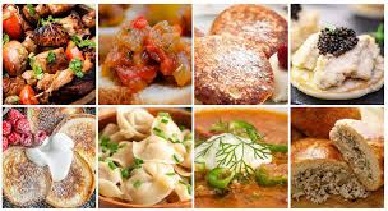
- Borscht – Traditional Russian beetroot soup with vibrant flavor
- Pelmeni – Classic dumplings Russians enjoy especially in winter
- Beef Stroganoff – Famous creamy Russian meat dish served worldwide
- Blini – Thin Russian pancakes eaten sweet or savory
- Olivier Salad – Party-style Russian salad for holidays and gatherings
- Pirozhki – Russian stuffed pastries often sold as street food
- Syrniki – Cottage cheese pancake Russians enjoy for breakfast
- Shchi – Heritage cabbage soup central to Russian home cooking
- Vareniki – Dumplings similar to pierogi, popular across Russia
- Kulich – Celebratory Easter bread cherished in Russian culture
Why Russian Food Matters Culturally and Historically
Russian food reflects resilience, creativity, and unity. Families take their time at the table. They share meals warmly, honoring generosity, respect, and connection.
Frequently Asked Questions About Russian Food
1. What defines Russian food?
Hearty soups, dumplings, fermented vegetables, bread, grains, sour cream, and warming stews define Russian cuisine. Cold climates and traditional farming shape its flavors.
2. Is Russian food spicy?
No. Russian food favors mild flavors, fresh herbs like dill, and creamy textures rather than strong chilies.
3. What is the most famous Russian dish?
Borscht, Beef Stroganoff, and Pelmeni remain the most widely recognized Russian dishes.
4. What ingredients are common in Russian cuisine?
Potatoes, cabbage, beets, rye, dill, mushrooms, sour cream, buckwheat, and fish often appear in Russian recipes.
5. Is Russian food healthy?
Yes. Many dishes include vegetables, grains, soups, and fermented foods. Holiday meals may contain richer ingredients.
6. How do people typically eat Russian food?
Meals include several courses — salads, soups, main plates, bread, tea, and dessert. Families sit together and share dishes.
7. Does religion influence Russian food?
Yes. Orthodox practices shape fasting foods (meat-free dishes) and celebration foods like Kulich and Pashka.