Can AI Cook Nigerian Foods Than Nigerians?
Can AI Cook Nigerian Foods Than Nigerians?
Artificial Intelligence (AI) is transforming almost every part of our lives. From writing emails and creating artwork to driving cars and helping doctors diagnose diseases, AI has become one of the biggest technological innovations of our time. But now, AI has entered an unexpected place—the kitchen.
With AI-powered recipe generators, smart ovens, meal-planning apps, and cooking robots becoming more popular, an interesting question arises: Can AI cook better Nigerian foods than Nigerians?
The short answer is not yet. While AI can help create recipes, improve cooking techniques, and make meal preparation easier, Nigerian cuisine is deeply rooted in culture, family traditions, local ingredients, and personal experience. These are qualities that technology still struggles to fully understand.
Can AI Cook Nigerian Foods – What Does AI Bring to the Kitchen?
AI can analyze millions of recipes in seconds. It can identify which ingredients work well together, suggest healthier alternatives, estimate cooking times, and even recommend meals based on your dietary preferences.
For example, if you tell an AI that you have rice, tomatoes, onions, peppers, and chicken, it can instantly suggest several delicious recipes. It can also modify recipes for people who are vegetarian, diabetic, or allergic to certain foods.
Smart kitchen appliances powered by AI can also monitor cooking temperatures, prevent food from burning, and alert users when meals are ready.
These innovations make cooking faster and more convenient.
Nigerian Food Is More Than a Recipe – Can AI Cook Nigerian Foods –
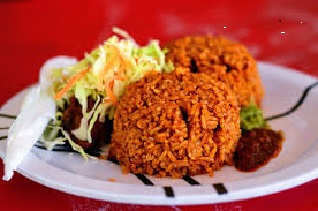
Anyone can find a recipe for jollof rice online. But cooking authentic Nigerian jollof rice requires more than simply following instructions.
Experienced Nigerian cooks understand details that are rarely written down.
They know:
- When onions have fried long enough.
- The exact moment to add tomato paste.
- How smoky the rice should taste.
- How much pepper creates the perfect balance.
- When stew has “opened up.”
- How to adjust ingredients depending on the type of rice being used.
These skills are learned over years of cooking and are often passed down from parents and grandparents.
AI can learn patterns, but it cannot truly experience taste, aroma, or tradition the way humans do.
Can AI Create New Nigerian Recipes?
One area where AI performs surprisingly well is creativity.
By studying thousands of recipes, AI can invent new combinations that people may never have considered.
Imagine recipes such as:
- Coconut Curry Jollof Rice
- Suya-Spiced Pasta
- Plantain Waffles
- Egusi Lasagna
- Moi Moi Muffins
- Yam and Avocado Power Bowls
Some of these ideas might sound unusual, but many successful restaurants became popular by experimenting with traditional dishes.
AI can become a powerful brainstorming partner for chefs looking to develop unique menus.
AI Can Help Home Cooks
Many Nigerians struggle to decide what to cook every day.
AI can simplify this by creating meal plans based on:
- Budget
- Family size
- Available ingredients
- Health goals
- Cooking time
For example, someone with a budget of ₦20,000 for one week could ask AI to generate affordable breakfast, lunch, and dinner ideas using locally available foods.
Instead of replacing the cook, AI becomes a personal kitchen assistant.
Restaurants Are Already Using AI
Around the world, restaurants are beginning to use AI for much more than cooking.
AI helps restaurants:
- Predict customer demand.
- Reduce food waste.
- Manage inventory.
- Improve delivery times.
- Recommend menu items.
- Analyze customer reviews.
Some restaurants even use robots to prepare simple meals or drinks.
Although this technology is still developing in Nigeria, it could help restaurants improve efficiency while reducing costs.
Can AI Cook Nigerian Foods – The Challenge of Nigerian Ingredients
One limitation of AI is that it depends on data.
Nigerian cooking often involves ingredients that vary from one region to another.
For example:
- Different varieties of peppers
- Fresh versus dried crayfish
- Local spices
- Indigenous vegetables
- Palm oil quality
- Regional cooking methods
Even two cooks using the same ingredients may produce meals with completely different flavors.
This is where human experience still has the advantage.
Can AI Taste Food?
No.
This is perhaps AI’s biggest weakness.
Cooking is not just about measurements.
A Nigerian cook often tastes food several times before serving it.
They might say:
“It needs a little more salt.”
“Add another spoon of pepper.”
“Let it simmer for five more minutes.”
AI cannot actually taste food.
It predicts what should taste good based on data, but it cannot experience flavor the way humans do.
Human taste remains essential.
AI and Nigerian Food Bloggers
Food bloggers can benefit enormously from AI.
AI can help them:
- Write recipes faster.
- Generate blog ideas.
- Improve food photography.
- Create social media captions.
- Develop meal plans.
- Research nutrition facts.
- Translate recipes into different languages.
However, successful food bloggers still add something AI cannot replicate—their personal experiences, family stories, cultural knowledge, and authentic cooking tips.
Readers connect with people, not just recipes.
The Future of AI in Nigerian Kitchens
Instead of replacing Nigerian cooks, AI is more likely to become a valuable assistant.
Imagine a future where:
- Your smart kitchen suggests dinner based on what is in your refrigerator.
- AI reminds you when ingredients are about to expire.
- A cooking assistant guides beginners through making egusi soup step by step.
- AI adjusts recipes automatically based on the number of people you are serving.
- Smart appliances cook rice perfectly every time.
These technologies could make cooking easier while preserving traditional recipes.
Can AI Cook Nigerian Foods Final Verdict
So, can AI cook better Nigerian food than Nigerians?
The answer is NO! —but it can help Nigerians cook even better.
AI excels at organizing information, generating recipes, planning meals, and simplifying kitchen tasks. However, it cannot replace the intuition, creativity, cultural heritage, and emotional connection that Nigerian cooks bring to every meal.
The best future isn’t one where AI replaces Nigerian chefs—it is one where technology works alongside them.
Whether you’re preparing smoky party jollof rice, rich egusi soup, spicy pepper soup, or perfectly fried plantains, the secret ingredient is still something AI cannot fully understand: the human touch.
As AI continues to evolve, it will undoubtedly become an important tool in Nigerian kitchens. But the heart of Nigerian cuisine will always belong to the people who cook with passion, tradition, and love.