Budget-Friendly Nigerian Meals: Feed Without Overspending
Budget-Friendly Nigerian Meals: How to Feed Your Family Without Overspending
Food is an important part of Nigerian family life. From a steaming pot of jollof rice to a bowl of beans and plantain, there are plenty of delicious meals to enjoy. However, with changing food prices, preparing daily meals can put pressure on a household budget.
The good news is that you do not always need expensive ingredients to prepare satisfying Nigerian food. With proper planning, affordable staples and a little creativity, you can serve enjoyable meals without spending more than necessary.
In this guide, you will discover practical ways to prepare budget-friendly Nigerian meals while making the most of your kitchen ingredients.
Friendly Nigerian Meals
1. Make Beans One of Your Kitchen Staples
Beans are a useful ingredient for households looking to prepare filling meals. They can be cooked in different ways and paired with affordable accompaniments.
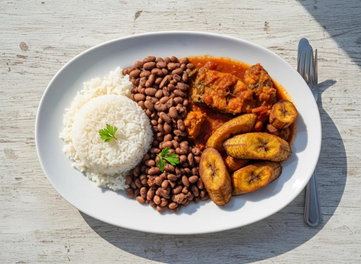
You can prepare plain beans, beans porridge with palm oil and vegetables, or beans with a small portion of ripe plantain. Beans can also be served with garri or bread.
To save time and cooking fuel, sort and wash your beans before cooking. If you soak them, use clean water and cook them thoroughly.
2. Prepare Rice in Different Ways
Rice is popular in many Nigerian homes, but you do not have to prepare an elaborate rice dish every time.
Consider these options:
- Jollof rice: Use tomatoes, pepper, onions and seasoning in sensible quantities.
- Vegetable rice: Add available vegetables such as carrots, green beans or cabbage.
- Rice and stew: Cook rice separately and serve it with a homemade tomato stew.
- Rice and beans: Combine two staples to create a filling meal.
Choose whichever option makes the best use of the ingredients already available in your kitchen.
3. Friendly Nigerian Meals: Use Yam and Sweet Potatoes Creatively
Yam and sweet potatoes can provide variety when you want a break from rice.
Boiled yam can be served with egg sauce, vegetable sauce or a small portion of stew. Sweet potatoes can be boiled or roasted and served with beans or eggs.
Instead of buying several expensive ingredients for one meal, build your menu around a main staple and one or two complementary foods.
4. Plan Your Meals Before Shopping
Shopping without a plan can lead to unnecessary purchases and food waste.
Before going to the market, check your kitchen and write down what you already have. Then prepare a simple menu for the next few days.
For example, you could plan beans on Monday, rice and stew on Tuesday, yam and egg sauce on Wednesday, and vegetable soup with your preferred swallow on Thursday.
Adjust the menu to your household size, dietary needs and available ingredients.
5. Buy Seasonal Produce
The prices of tomatoes, peppers, leafy vegetables and fruits can change with the season and market conditions.
Compare prices at different stalls, buy produce that is fresh and affordable, and choose substitutes when a particular ingredient becomes too expensive.
For example, if one vegetable is costly, ask about another locally available option that can work in the same recipe.
Remember that the cheapest ingredient is not always the best value if it spoils before you use it.
6. Reduce Food Waste in Your Kitchen
One of the easiest ways to save money is to make better use of the food you already buy.
Store ingredients correctly, cook portions that match your household’s needs and refrigerate leftovers promptly.
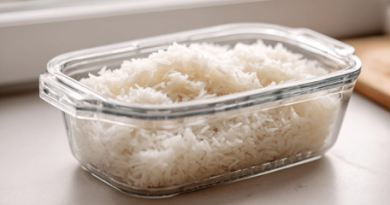
Leftover rice can become fried rice with vegetables and egg. Extra cooked beans can be used in another meal, provided they have been handled and stored safely.
Always check how food has been stored, and discard anything that may be unsafe to eat.
7. Create a Realistic Food Budget
You do not need a complicated spreadsheet to manage your food spending. A notebook can help you record how much you spend on staples, vegetables, protein and cooking essentials.
Review your spending every week. If one meal repeatedly costs too much, look for a more affordable alternative that still provides variety and nourishment.
Food prices vary by location, season and market, so plan using current local prices rather than relying on a fixed amount that may no longer be realistic.
Friendly Nigerian Meals: Final Thoughts
Preparing affordable Nigerian meals is possible when you plan carefully, use familiar ingredients creatively and avoid unnecessary waste.
Beans, rice, yam, sweet potatoes and seasonal vegetables can all contribute to a varied household menu. Start with the food you already have, plan your shopping and make small changes that fit your family’s needs.
What is your favourite affordable Nigerian meal? Share your ideas with the 9jafoods community and help other families discover new ways to cook delicious food on a budget.