The Secret Life of Nigerian Food
The Secret Life of Nigerian Food: What Happens Before It Reaches Your Kitchen?
Every day, millions of Nigerians visit markets, supermarkets and roadside stalls to purchase ingredients for their meals. We select the freshest-looking produce, negotiate prices, carry our shopping bags home and head straight to the kitchen.
But there is a whole journey behind those ingredients that many of us rarely think about.
From farms and fishing communities to transportation, storage and local markets, Nigerian food passes through several hands before reaching our cooking pots.
Let’s uncover the secret life of Nigerian food!
1. It Often Begins on a Farm
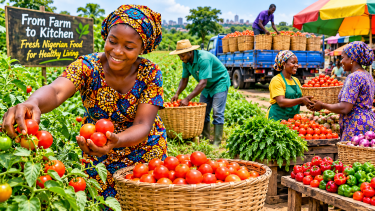
Before vegetables appear in market baskets, they begin their journey on farms.
Across Nigeria, farmers cultivate different crops depending on their locations, soil conditions, weather and farming seasons.
For example:
- Tomatoes and peppers are cultivated in several northern states.
- Cassava is widely grown across southern Nigeria.
- Yam production is particularly important in states such as Benue and Niger.
- Rice is cultivated in several parts of the country, including Kebbi, Ebonyi and Kaduna.
Farmers spend time preparing the land, planting seeds, controlling weeds and caring for their crops before harvesting.
What looks like a simple basket of tomatoes at the market may represent weeks or months of hard work.
2. Harvesting Is Just the Beginning
When crops are ready, farmers harvest them for sale or storage.
However, harvesting food requires care.
Tomatoes, for instance, can easily become damaged if handled roughly. Leafy vegetables can lose freshness when exposed to heat for too long, while yams need proper handling to prevent bruising and damage.
Different foods also have different harvesting requirements.
Some vegetables are harvested before they become fully ripe, depending on how far they must travel and how they will be stored.
This is one reason why the quality of food can vary from one market to another.
Secret Life of Nigerian Food
3. How Food Travels From Farms to Nigerian Markets
After harvesting, food must be transported to places where consumers can purchase it.
Some farmers sell directly to customers, while others supply wholesalers, distributors and market traders.
In Nigeria, food may travel by motorcycles, vans, trucks and other vehicles.
For example, tomatoes harvested in northern Nigeria may travel considerable distances before reaching markets in Lagos.
During transportation, several factors can affect food quality:
- High temperatures.
- Poor ventilation.
- Rough handling.
- Delays on the road.
- Inadequate storage facilities.
These challenges can contribute to food spoilage and losses before produce reaches consumers.
4. The Important Role of Market Traders
Have you ever wondered who makes sure that the vegetables, fruits and other ingredients are available in your neighbourhood market?
Market traders play an important role in the Nigerian food supply chain.
Some buy directly from farmers, while others purchase from wholesalers and distributors.
They sort, arrange and display food products for customers.
From the tomato seller to the woman selling fresh ugu leaves, these traders help connect agricultural producers with households.
Without them, accessing everyday cooking ingredients would be more difficult for many families.
5. Why Does the Same Food Have Different Prices?
Have you noticed that the price of tomatoes can change significantly within a short period?
Secret Life of Nigerian Food
There are several reasons.
- Seasonal availability: Some crops are more abundant during particular seasons. When supply increases, prices may fall.
- Transportation costs: Fuel prices, vehicle maintenance and distance can influence the final selling price.
- Weather conditions: Excessive rainfall, drought and other weather challenges can affect agricultural production.
- Demand and supply: When many people want a particular product but there is limited supply, prices may increase.
- Food losses: Produce damaged during harvesting, transportation or storage can reduce the quantity available for sale.
This explains why the price of your favourite cooking ingredients may change even when you visit the same market.
What Happens When Food Is Not Stored Properly?
Storage is one of the most important stages in the food journey.
Different foods require different storage conditions.
For example:
- Tomatoes need appropriate storage to maintain their quality.
- Leafy vegetables benefit from cool conditions and suitable moisture management.
- Dry grains need protection from moisture and pests.
- Fish and meat require proper refrigeration or freezing to remain safe.
Poor storage can lead to spoilage, food waste and financial losses.
This is why improving storage facilities is important for farmers, traders and consumers.
What Can You Do to Reduce Food Waste at Home?
The journey of food does not end when you bring it home. How you handle it also matters.
Here are seven simple ways to reduce food waste:
- Buy quantities you can reasonably use.
- Store different ingredients according to their needs.
- Keep dry foods away from moisture.
- Refrigerate foods that require cold storage.
- Check your ingredients regularly.
- Plan meals before shopping.
- Use suitable leftover ingredients in other meals.
Remember, wasting food also means wasting the water, energy, labour and resources used to produce and transport it.
Appreciating the People Behind Every Meal
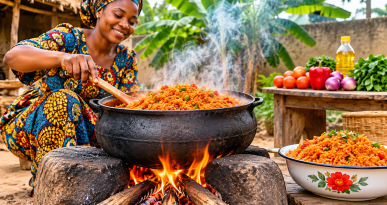
The next time you prepare a delicious pot of Nigerian soup, rice or beans, take a moment to think about the people who made that meal possible.
Think about the farmer who planted the crops, the workers who harvested them, the drivers who transported them and the traders who made them available in your local market.
Food is more than what we eat. It represents agriculture, hard work, transportation, business, culture and the livelihoods of millions of people.
Every ingredient has a story.
Final Thoughts on the Secret Life of Nigerian Food
The journey from farm to kitchen is longer and more interesting than many people realise.
Understanding how food gets to our homes can help us appreciate farmers, support local food producers, make better shopping decisions and reduce food waste.
So, the next time you visit a Nigerian market, remember that the food in your shopping basket has already travelled a long way.
A question for you: Have you ever bought food directly from a Nigerian farmer, or do you usually purchase everything from your local market?
Share your experience in the comments!
9jaFoods – Celebrating Nigerian Food, Culture and Everyday Kitchen Discoveries.