Three Traditional Igbo Dishes of Cultural Significance
Three Traditional Igbo Dishes of Cultural Significance
The Igbo people of Southeastern Nigeria are widely known for their culture, creativity, and strong traditions. Their food is just as important as their language, art, and customs. For the Igbo, food is not just for eating. It tells stories, preserves history, and brings people together. Meals often mark important life events such as weddings, naming ceremonies, festivals, and community gatherings. Through food, Igbo people show love, respect, unity, and pride in their heritage.
Many traditional dishes exist in Igbo cuisine. However, three stand out for their cultural importance, unique preparation, and lasting popularity. These are Abacha (African Salad), Okpa (King’s Meal), and Ofe Onugbu (Bitter Leaf Soup). These dishes do more than satisfy hunger. They represent Igbo identity, history, and values.
Traditional Igbo Dishes: Abacha (African Salad): A Dish of Welcome and Celebration
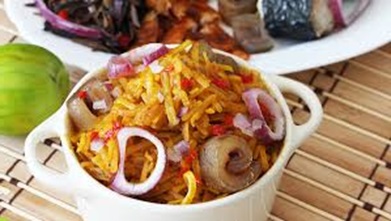
Abacha, also called African Salad, is one of the most famous Igbo dishes. It holds a special place in Igbo homes and gatherings. People often prepare Abacha to welcome guests, celebrate milestones, or honor visitors. It appears at weddings, traditional ceremonies, and community meetings.
The base of Abacha comes from shredded cassava. Cooks boil, dry, and soften the cassava before using it. They then mix it with rich red palm oil, which gives the dish its bright color. They add ground crayfish, potash, pepper, and seasoning to create a balanced taste.
Ugba (oil bean seeds) plays a key role in Abacha. It adds a slightly sour flavor and a pleasant texture. Many people also add sliced garden eggs, onions, and fresh utazi leaves. Some versions include cucumber or coconut for freshness. To make the dish more filling, cooks often add fried fish, boiled eggs, kpomo, or meat.
Abacha also has a strong social meaning. Families and friends usually serve it in large bowls. People gather around and eat together. In Igbo culture, sharing Abacha builds friendship, unity, and goodwill.
Okpa (King’s Meal): A Nutritious Traditional Favorite
Okpa, also known as “Okpa Enugu,” comes from Enugu State. Many people call it the “King’s Meal.” In the past, royalty, warriors, and respected leaders often ate it. Today, Okpa is popular across Igbo land. People enjoy it as breakfast, street food, or a special treat.
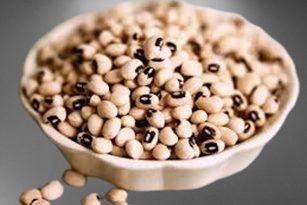
Okpa comes from bambara nut flour, a highly nutritious legume. This flour contains protein, fiber, and important minerals. Cooks mix the flour with water, palm oil, pepper, seasoning, and sometimes crayfish. They stir it into a smooth, thick batter.
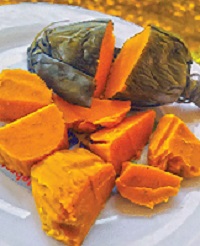
They then wrap the mixture in banana leaves. The leaves act as natural packaging and add a mild aroma. The wrapped Okpa goes into boiling water to steam. After cooking, the mixture becomes firm and pudding-like.
Many Igbo people feel nostalgic when they eat Okpa. They often pair it with hot pap (akamu), custard, or tea. In rural areas, farmers and traders value Okpa because it gives energy and keeps them full for hours.
Even today, Okpa shows how creative Igbo cooking can be. It turns simple ingredients into something delicious and meaningful.
Ofe Onugbu (Bitter Leaf Soup): A Celebrated Igbo Classic
Ofe Onugbu, or Bitter Leaf Soup, is one of the most important Igbo soups. It appears at weddings, festivals, funerals, and traditional ceremonies. Despite its name, well-prepared Ofe Onugbu is not bitter. Instead, it tastes rich, savory, and deeply satisfying.
The main ingredient is bitter leaf. Cooks wash and squeeze the leaves many times to remove bitterness. This step requires care and patience. If they wash too little, the soup remains bitter. If they wash too much, the leaves lose nutrients.
Cooks thicken the soup with cocoyam. They boil and pound it, then dissolve it into the broth. They add goat meat, beef, assorted meat, smoked fish, and dried fish for flavor. Palm oil, crayfish, and pepper complete the dish.
People usually eat Ofe Onugbu with fufu, pounded yam, semolina, or eba. Beyond taste, bitter leaf has health benefits. It aids digestion, supports immunity, and promotes overall wellness. This makes the soup both delicious and nourishing.
Traditional Igbo Dishes: Other Notable Igbo Dishes
Abacha, Okpa, and Ofe Onugbu are only part of Igbo cuisine. Other popular dishes include:
Nkwobi: A spicy dish made from cow foot in thick palm oil sauce. People often serve it at social events.
Ukwa (African Breadfruit): A seasonal delicacy prepared plain or with vegetables and oil bean seeds.
Ofe Oha: A flavorful soup made with oha leaves, cocoyam, and assorted meats.
Conclusion ON Traditional Igbo Dishes
Igbo cuisine reflects the people’s history, environment, and way of life. Every dish carries tradition, wisdom, and creativity. Abacha represents hospitality and togetherness. Okpa symbolizes strength and nourishment. Ofe Onugbu embodies celebration and healing.
Together, these dishes showcase the depth of Igbo culture. Tasting them is more than eating. It is experiencing the heart, soul, and spirit of the Igbo people.