Leftovers to New Meals: Nigeria’s Food-Saving Revolution
Leftovers to New Meals: Nigeria’s Food-Saving Revolution
There is a quiet food revolution happening in Nigerian homes.
It is not happening in expensive restaurants. It is not being announced by celebrity chefs. And you probably will not see it on a billboard.
It is happening inside ordinary kitchens.
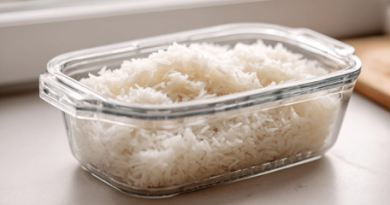
A pot of yesterday’s rice becomes fried rice.
Boiled yam becomes yam balls.
Leftover beans becomes bean cakes.
Extra stew finds a new life with spaghetti, potatoes or noodles.
And that small amount of soup sitting at the back of the refrigerator? Someone is already planning what to eat with it tomorrow.
Welcome to Nigeria’s leftover economy.
Leftovers Are No Longer Just Leftovers
For years, leftover food was sometimes treated as something boring or undesirable.
Today, however, the story is changing.
With the cost of food putting pressure on household budgets, Nigerians are becoming increasingly creative about making every ingredient count.
Food prices remain a major concern for households, while global food markets are also facing supply pressures. Recent data reported by the Food and Agriculture Organization showed global food prices jumped in August 2026 to their highest level since late 2022.
That reality makes one question increasingly important:
Why throw away food when you can transform it?
Leftovers: The Nigerian Kitchen Is Becoming a Food Laboratory
One of the most interesting things about Nigerian cooking is its ability to improvise.
Give a Nigerian cook a few ingredients and there is a good chance they will figure something out.
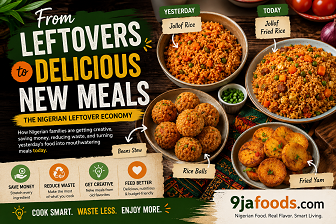
Yesterday’s jollof rice can become:
- Jollof fried rice
- Rice balls
- Rice and egg
- Rice pancakes
- A filling for wraps or sandwiches
Leftover yam can become:
- Yam balls
- Fried yam
- Yam porridge
- Yam and egg
- A creative breakfast hash
And leftover bread can become:
- French toast
- Bread pudding
- Toasted sandwiches
- Bread crumbs
- A crunchy topping
The food may be the same.
The meal does not have to be.
Leftovers: Why Nigerians Are Becoming Better at Food Transformation
There are several reasons behind this growing habit.
1. Leftovers: Food Is Too Valuable to Waste
When a household spends significant money buying rice, beans, tomatoes, onions, vegetables, meat and other ingredients, throwing food away becomes harder to justify.
Every spoonful represents money.
This has created a new mindset:
Buy wisely. Cook wisely. Store wisely. Reuse wisely.
2. Leftovers: Social Media Is Changing How We See Leftovers
TikTok, Instagram and YouTube have made food transformation entertaining.
A creator can take a bowl of leftover rice and turn it into a completely different meal in a 30-second video.
The transformation itself becomes content.
“Watch me turn yesterday’s food into today’s lunch” can be more interesting than simply showing someone cooking from scratch.
This creates an opportunity for Nigerian food creators to showcase something we have always done—but in a fresh, modern way.
3. Young Nigerians Love Food Hacks
Young people are increasingly interested in practical food ideas.
Not necessarily complicated recipes.
They want:
cheap + easy + tasty + filling.
That combination is powerful.
A recipe that saves ₦5,000 may attract more attention than a recipe that requires ten expensive ingredients.
Leftovers: The “One Pot, Three Meals” Challenge
Imagine cooking one large pot of food and deliberately planning three different meals from it.
For example:
Day 1: Jollof Rice
Serve it traditionally with chicken, fish or vegetables.
Day 2: Jollof Fried Rice
Add vegetables, egg and a little seasoning and transform the leftovers.
Day 3: Jollof Rice Balls
Mix the remaining rice with suitable binding ingredients, shape into balls and fry or bake.
Instead of seeing three separate meals, you have created a food cycle.
This approach can potentially reduce waste and stretch the value of the original ingredients.
Nigerian Foods That Are Perfect for Reinvention
Some Nigerian foods are especially flexible.
Rice
Rice may be the ultimate leftover champion.
It can move from jollof rice to fried rice, rice and eggs, rice balls or another creative combination.
Beans
Beans can become breakfast, lunch or a snack.
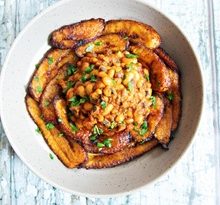
Leftover cooked beans can be transformed into bean cakes or combined with other ingredients for a completely different meal.
Yam
Yam is another highly versatile food.
Boiled yam does not have to remain boiled yam.
It can become fried yam, yam balls, mashed yam creations or a breakfast combination.
Bread
Bread is one of the easiest foods to reinvent.
Instead of allowing stale bread to go straight into the bin, it can become toast, breadcrumbs, French toast or bread pudding.
Stew
A good pot of Nigerian stew can become the foundation for several meals.
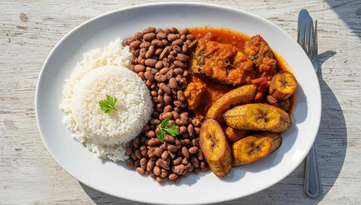
It can be served with rice, pasta, potatoes, yam, plantain or eggs.
The secret is not necessarily cooking more.
It is learning how to use what you already cooked.
Leftovers: The Hidden Business Opportunity
The leftover economy is not only about households.
There could also be a business opportunity.
Food creators can build content around:
“₦5,000 Food Transformation Challenges.”
Restaurants can introduce creative daily specials using safe, properly handled surplus ingredients.
Caterers can improve menu planning to reduce unnecessary waste.
Food bloggers can create “cook once, eat three ways” recipes.
And young entrepreneurs can develop products that help households store food safely and efficiently.
The future of food may not only belong to people who know how to cook.
It may belong to people who know how to stretch, transform and preserve food intelligently.
But There Is One Important Rule
Being creative with leftovers does not mean eating food that has been left out improperly or stored unsafely.
Food safety comes first.
Perishable foods should be handled, cooled, stored and reheated properly. If food smells unusual, looks spoiled or has been stored under unsafe conditions, it is better to throw it away than risk food poisoning.
Saving money should never mean sacrificing safety.
From Leftovers to “Nextovers”
Perhaps we need a new word.
Instead of calling yesterday’s food “leftovers,” call it a nextover.
Because the food is not necessarily finished.
It is simply waiting for its next transformation.
That small change in thinking can completely change how we approach our kitchens.
A pot of rice is not just rice.
It can be tomorrow’s lunch.
A few slices of bread are not rubbish.
They can become breakfast.
Extra beans are not necessarily wasted food.
They can become a snack.
And vegetables that are still fresh can become part of another meal instead of being forgotten in the refrigerator.
The Future of Nigerian Food May Be About Doing More With Less
Nigeria has always had a culture of creativity.
Our food proves it.
From roadside snacks to family recipes, Nigerian cooks have continually found ways to turn simple ingredients into satisfying meals.
The next evolution may be learning to waste less while getting more value from what we already have.
The goal isn’t to make food boring.
It is the opposite.
The goal is to make one meal become many possibilities.
So the next time you open the refrigerator and see yesterday’s food, don’t immediately ask:
“Who will eat this again?”
Ask:
“What can I turn this into?”
That question could be the beginning of Nigeria’s next food trend.
Final Thought
The future Nigerian kitchen may not be defined by having the biggest refrigerator or the most expensive ingredients.
It may be defined by creativity, planning and zero-waste thinking.
Because sometimes, the best new meal isn’t waiting at the market.
It is already sitting in your kitchen.