Affordable Nigerian Meals During Inflation
Affordable Nigerian Meals During Inflation
Affordable Nigerian Meals – Why Affordable Meals Matter More Than Ever
Food prices in Nigeria have continued to rise, making it difficult for many families to maintain a healthy and balanced diet. Inflation affects the prices of rice, cooking oil, bread, tomatoes, beans, and even basic seasonings. Despite these challenges, many Nigerians are finding creative ways to prepare delicious meals without spending too much money. Affordable meals are no longer just an option; they have become a necessity for students, workers, families, and small households trying to survive difficult economic conditions.
One important strategy is learning how to maximize local ingredients. Nigerian markets still offer several low-cost food items that can feed many people when properly prepared. Foods such as garri, beans, yam, sweet potatoes, vegetables, corn, and local spices remain reliable choices for budget-conscious cooking. Buying ingredients in bulk and cooking at home instead of eating out can also reduce expenses significantly.
Affordable meals do not have to be boring or unhealthy. With proper planning, Nigerians can enjoy tasty dishes that provide energy, protein, and essential nutrients without breaking the bank.
2. Beans: The King of Budget-Friendly Meals
Beans remain one of the most affordable and nutritious foods in Nigeria. They are rich in protein, fiber, and carbohydrates, making them filling and satisfying for long hours. During inflation, beans have become a survival meal for many homes because a small quantity can feed several people.
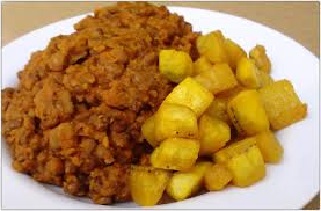
There are many ways to prepare beans without spending much money. Simple beans porridge cooked with palm oil, onions, pepper, and crayfish can serve as lunch or dinner. Beans can also be paired with garri, bread, ripe plantain, or yam for a complete meal. Moi moi and akara are additional affordable options made from beans.
Many families now combine beans with corn to create a larger quantity of food at a lower cost. This mixture, commonly called “adalu” or “beans and corn,” is popular because it is both nutritious and economical.
To reduce cooking gas expenses, some people soak beans overnight before cooking. Others use pressure pots or firewood cooking methods in rural areas. These small strategies help save money while still providing healthy meals.
3. Garri and Cassava-Based Meals
Garri remains one of the cheapest and most accessible foods across Nigeria. It is consumed by people from different tribes and economic backgrounds. During periods of inflation, garri becomes even more important because it is affordable, filling, and easy to prepare.
Many Nigerians simply soak garri with cold water, sugar, groundnut, and milk when they need a quick meal. Although simple, soaked garri can provide energy and satisfaction during difficult times. Eba, made from garri, is another common meal eaten with soups such as okra soup, vegetable soup, or light stew.
Cassava-based meals are gaining more attention because cassava is widely grown in Nigeria. Foods like fufu, tapioca, and cassava flakes are becoming household staples due to their affordability. These meals can be combined with low-cost soups made from pumpkin leaves, waterleaf, okra, or dry fish.
Some families are now reducing rice consumption and replacing it with cassava meals because rice prices have increased sharply. Cassava products offer a practical alternative that still keeps families full and satisfied.
4. Vegetable Soups and Local Ingredients
Vegetable soups are among the smartest ways to cook affordable meals during inflation. Nigerian vegetables are generally cheaper than imported food products and provide important vitamins and minerals. Soups made with ugu, waterleaf, spinach, scent leaves, okra, and pumpkin leaves can feed large households at a relatively low cost.
Instead of using expensive meat, many people now use smoked fish, crayfish, stockfish pieces, or dry fish to flavor soups. These ingredients still provide rich taste without requiring a large budget. Palm oil and local seasonings also help create delicious soups with minimal ingredients.
Okra soup is especially popular during difficult economic periods because it cooks quickly and requires fewer ingredients. Vegetable soups can also be stretched by increasing the quantity of leaves and reducing protein portions.
Many Nigerian mothers now practice backyard farming to reduce vegetable expenses. Small gardens with ugu, scent leaves, tomatoes, and peppers help families save money while ensuring fresh ingredients are always available.
5. Street Foods and Quick Budget Meals
Street foods continue to play an important role in feeding millions of Nigerians during inflation. Foods like roasted corn, akara, boli, roasted yam, and fried plantain are affordable options for people who cannot afford expensive restaurant meals.
Akara and pap remain one of the most common breakfast combinations because they are cheap, filling, and easy to find. Roasted corn paired with coconut or pear is another low-cost meal enjoyed by many Nigerians during corn season.
Instant noodles are also widely consumed because they cook quickly and appear affordable. However, many families now add vegetables, eggs, or sardines to increase nutritional value. Some people combine noodles with beans or potatoes to make the meal more filling for multiple people.
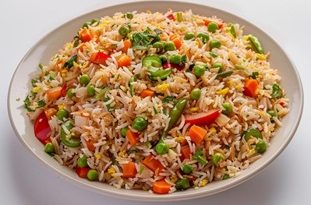
Another growing trend is “mix-and-match cooking,” where households combine leftover ingredients to create new meals. For example, leftover rice can become fried rice, while yam can be turned into porridge. This strategy reduces food waste and helps families survive on limited budgets.
6. Smart Cooking Habits for Surviving Inflation
Affordable meals are not only about cheap ingredients; they also depend on smart cooking habits. Planning meals ahead of time helps families avoid unnecessary spending. Many Nigerians now create weekly food budgets and shopping lists before visiting the market.
Buying food items in bulk is another important strategy. Staple foods such as rice, beans, garri, and yam are often cheaper when purchased in larger quantities. Families also save money by cooking large portions that can last for several meals.
Reducing food waste is equally important. Leftover soups, rice, and stews can be refrigerated and reused instead of thrown away. Some households now preserve vegetables by drying or freezing them for future use.
Cooking with seasonal ingredients also helps lower expenses. Tomatoes, corn, mangoes, and vegetables are usually cheaper during harvest seasons. Smart shoppers take advantage of these periods to buy and preserve food items.
Inflation has changed the way Nigerians eat, cook, and shop for food. However, it has also encouraged creativity and resourcefulness in many homes. Affordable Nigerian meals continue to prove that delicious and nourishing food can still be prepared even during difficult economic times. By embracing local ingredients, reducing waste, and practicing smart budgeting, families can continue to enjoy satisfying meals while managing rising food costs.