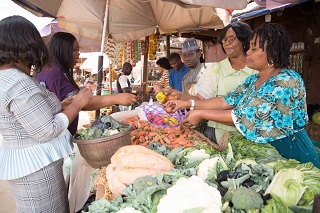
Food Scarcity in Nigeria: How Prices Are Affecting Everybody
Food Scarcity in Nigeria: How Rising Food Prices Are Affecting Families, Farmers, and the Economy
Food is more than just what we eat—it is the foundation of health, productivity, and national development. Yet for millions of Nigerians, putting food on the table has become increasingly difficult. Across the country, the prices of rice, beans, yam, garri, tomatoes, pepper, and other staple foods continue to rise, leaving many households struggling to afford nutritious meals.
Nigeria is blessed with fertile land, favorable weather in many regions, and millions of hardworking farmers. Despite these advantages, food scarcity remains one of the country’s biggest challenges. Understanding why this is happening is the first step toward finding lasting solutions.
What Is Food Scarcity?
Food scarcity occurs when there is not enough affordable food available to meet the needs of a population. It does not always mean that food is completely unavailable. Sometimes food exists in markets, but the prices are too high for ordinary people to buy.
In Nigeria today, many families have had to reduce the number of meals they eat each day. Others buy smaller quantities of food or replace nutritious foods with cheaper alternatives. This affects children’s growth, adults’ productivity, and the overall well-being of communities.
Why Is Food Becoming Scarce in Nigeria?
Several factors contribute to the rising cost and shortage of food across the country.
1. Inflation
Inflation has significantly increased the prices of goods and services. Farmers pay more for seeds, fertilizers, transportation, fuel, and farm equipment. These additional costs are eventually reflected in the prices consumers pay at the market.
2. Insecurity
Many farming communities have experienced insecurity, making it difficult for farmers to cultivate or harvest their crops safely. When fewer crops are produced, the supply of food decreases while demand remains high, causing prices to rise.
3. Climate Change
Climate change is becoming a major threat to Nigerian agriculture. Irregular rainfall, prolonged droughts, flooding, erosion, and extreme temperatures reduce crop yields. Many farmers lose entire harvests because of unpredictable weather patterns.
4. High Transportation Costs
Moving food from farms to cities has become increasingly expensive due to fuel prices and poor road networks. These transportation costs are added to the final selling price of food.
5. Population Growth
Nigeria’s rapidly growing population means more people need food every year. Agricultural production has not increased at the same pace, creating pressure on food supplies.
6. Post-Harvest Losses
Large quantities of fruits, vegetables, and grains spoil before reaching consumers because of poor storage facilities, limited cold-chain infrastructure, and inadequate processing. Reducing waste could significantly improve food availability.
The Impact on Nigerian Families
Food scarcity affects nearly every household in different ways.
Many parents struggle to provide balanced meals for their children. Some families skip breakfast or dinner to save money. Students may find it difficult to concentrate in school when they are hungry, while workers become less productive due to poor nutrition.
Small businesses that rely on food, including restaurants, caterers, and food vendors, also face challenges. As ingredient prices increase, business owners must either raise their prices or accept lower profits.
The Economic Impact
Food scarcity affects the entire Nigerian economy.
Higher food prices contribute to inflation, reducing the purchasing power of households. Families spend a larger portion of their income on food, leaving less money for healthcare, education, transportation, and savings.
Businesses experience lower consumer spending, which can slow economic growth. Increased food imports also place pressure on foreign exchange reserves and can weaken the country’s economy over time.
Agriculture remains one of Nigeria’s largest employers. When farmers face difficulties, millions of livelihoods are affected, reducing income in rural communities and increasing poverty.
How Farmers Are Coping
Despite numerous challenges, Nigerian farmers continue to demonstrate resilience.
Many are adopting improved farming techniques, including better irrigation systems, climate-smart agriculture, improved seed varieties, and modern farming equipment. Some farmers are joining cooperatives to access loans, training, and larger markets.
Young Nigerians are also entering agribusiness by using technology to improve farming, food processing, and distribution. Digital platforms now help connect farmers directly with consumers, reducing unnecessary middlemen.
What Can Be Done?
Addressing food scarcity requires collaboration between government, private organizations, farmers, and citizens.
Investing in agriculture should remain a national priority. Farmers need access to affordable credit, quality seeds, fertilizers, mechanized equipment, and extension services.
Improving rural roads will reduce transportation costs and make it easier for food to reach markets. Expanding storage facilities and food processing industries can reduce post-harvest losses.
Security in farming communities must also be strengthened so that farmers can cultivate their land without fear.
Climate-smart agriculture, tree planting, irrigation projects, and better water management will help farmers adapt to changing weather conditions.
Consumers also have a role to play by reducing food waste, supporting local farmers, and choosing seasonal produce whenever possible.
The Role of Young People
Nigeria’s youth have an important role in ensuring food security.
Agriculture is no longer limited to traditional farming. Young entrepreneurs are building businesses in food processing, agricultural technology, packaging, logistics, greenhouse farming, poultry, aquaculture, and digital marketplaces.
Schools and communities can encourage young people to develop kitchen gardens, learn sustainable farming practices, and understand where their food comes from. These experiences help build appreciation for agriculture while creating future opportunities.
Hope for the Future
Although food scarcity is a serious challenge, Nigeria has enormous potential to become food secure. The country possesses abundant agricultural land, diverse climates, innovative entrepreneurs, and a growing population of energetic young people.
With the right investments, improved infrastructure, stronger policies, and widespread adoption of modern farming techniques, Nigeria can increase food production, stabilize prices, create jobs, and reduce hunger.
Every stakeholder has a part to play—from policymakers and farmers to businesses and consumers. By supporting local agriculture, reducing food waste, embracing innovation, and investing in sustainable food systems, Nigeria can build a future where every family has access to affordable, nutritious food.
Finally, food security is not only about feeding people today; it is about creating a stronger economy, healthier communities, and a more prosperous nation for generations to come.