How to Make Authentic Nigerian Vegetable Soup (Without Egusi)
How to Make Authentic Nigerian Vegetable Soup (Without Egusi)
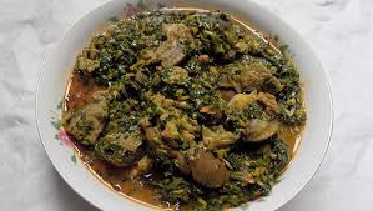
Nigerian Vegetable Soup is one of the most beloved traditional dishes in Nigeria. Rich, nutritious, and packed with flavor, this delicious soup is enjoyed across many regions of the country. While many versions of authentic Nigerian vegetable soup include egusi (melon seeds), some people prefer making it without egusi for dietary reasons, personal preference, or simply to enjoy the pure taste of fresh vegetables.
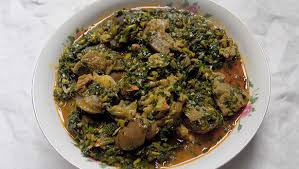
If you are looking for an authentic Nigerian Vegetable Soup recipe without egusi, this step-by-step guide will show you how to prepare a delicious pot using fresh vegetables such as waterleaf and fluted pumpkin leaves (ugu).
Whether you are cooking for your family or preparing a comforting meal that reminds you of home, this recipe is guaranteed to satisfy your taste buds.
What Is Authentic Nigerian Vegetable Soup?
Nigerian Vegetable Soup is a traditional soup prepared primarily with leafy vegetables, assorted meats, fish, palm oil, and local seasonings. Unlike other Nigerian soups that rely heavily on thickeners, vegetable soup focuses on the freshness and natural flavors of the vegetables.
This soup is commonly served with popular Nigerian swallows such as pounded yam, eba, semovita, fufu, or amala.
Ingredients for Authentic Nigerian Vegetable Soup (Without Egusi)
To prepare this delicious soup, you will need the following ingredients:
Vegetables
- 1 large bunch fresh waterleaf, washed and chopped
- 2 medium bunches ugu (fluted pumpkin leaves), washed and sliced
Proteins
- 500g assorted meat (beef, cow tripe, cow skin, or goat meat)
- 2 pieces smoked fish
- 1 cup stockfish (optional)
- Dry fish (optional)
Other Ingredients
- 1 cup palm oil
- 1 medium onion, chopped
- 3 tablespoons ground crayfish
- 2 seasoning cubes
- Fresh pepper to taste
- Salt to taste
- 1 cup meat stock
Why Use Waterleaf and Ugu?
Waterleaf gives the soup its characteristic softness and natural moisture, while ugu adds texture, nutrients, and a rich green color. Combining these two vegetables produces the authentic taste many Nigerians love.
Waterleaf is also rich in vitamins A and C, while ugu contains iron, calcium, and antioxidants that support overall health.
Authentic Nigerian Vegetable Soup: Step-by-Step Method
Step 1: Prepare the Meat and Fish
Wash your assorted meat thoroughly and place it in a cooking pot. Add chopped onions, seasoning cubes, salt, and pepper.
Cook until the meat becomes tender. Add stockfish if using and continue cooking until soft.
Once cooked, set aside while retaining the stock.
Step 2: Wash and Slice the Vegetables
Pick, wash, and chop the waterleaf into medium pieces.
Wash the ugu leaves thoroughly to remove sand and dirt, then slice thinly.
Drain both vegetables properly.
Step 3: Cook the Waterleaf
Place the chopped waterleaf into a clean pot and cook on medium heat for about 5 minutes.
Waterleaf naturally releases a lot of water, so there is usually no need to add extra water at this stage.
Allow the excess water to reduce slightly.
Step 4: Add Palm Oil
Pour the palm oil into the pot containing the cooked waterleaf.
Stir thoroughly and allow it to cook for about 3 minutes.
This process helps blend the flavor of the oil with the vegetables.
Step 5: Add Meat and Fish
Add the cooked assorted meat, smoked fish, stockfish, and meat stock.
Stir well and allow everything to simmer together for 5 minutes.
The flavors will begin to combine beautifully.
Step 6: Add Crayfish and Seasonings
Add ground crayfish, seasoning cubes, fresh pepper, and salt to taste.
Stir thoroughly and taste for seasoning adjustment.
Crayfish adds depth and enhances the traditional Nigerian flavor.
Step 7: Add Ugu Leaves
Finally, add the sliced ugu leaves.
Stir gently to combine.
Allow the soup to cook for only 3 to 5 minutes.
Avoid overcooking the vegetables because prolonged cooking can destroy nutrients and dull the vibrant green color.
Once the ugu softens slightly, turn off the heat.
Tips for Making the Best Vegetable Soup
1. Use Fresh Vegetables
Fresh vegetables produce the best flavor, texture, and nutritional value.
2. Avoid Excess Water
Waterleaf naturally releases water during cooking. Adding too much water can make the soup watery.
3. Do Not Overcook
Overcooking vegetables reduces their nutritional value and affects taste.
4. Adjust Palm Oil Quantity
You may reduce the quantity of palm oil if you prefer a lighter and healthier version.
5. Use Assorted Proteins
Combining meat, fish, and stockfish creates richer flavor.
Health Benefits of Authentic Nigerian Vegetable Soup
This soup is highly nutritious and offers numerous health benefits:
- Rich in vitamins and minerals.
- Supports healthy digestion.
- Provides antioxidants that help fight free radicals.
- Contains fiber that promotes fullness.
- Supports immune system health.
- Can be incorporated into healthy eating plans.
Because this version contains no egusi, it may also be preferred by individuals looking to reduce calorie intake while still enjoying a satisfying traditional meal.
What to Serve with Vegetable Soup
Authentic Nigerian Vegetable Soup pairs perfectly with:
- Pounded yam
- Eba
- Semovita
- Wheat meal
- Fufu
- Amala
Choose your preferred swallow and enjoy this delicious Nigerian delicacy.
Storage Tips
Allow leftover soup to cool completely before storing.
Transfer into airtight containers and refrigerate for up to 3 days.
For longer storage, freeze for up to one month.
Reheat thoroughly before serving.
Authentic Nigerian Vegetable Soup Final Thoughts
Authentic Nigerian Vegetable Soup without egusi is simple to prepare, nutritious, and incredibly delicious. Using fresh waterleaf and ugu gives the soup its traditional flavor while allowing the natural taste of the vegetables to shine.
Whether you are cooking for your family or simply craving a comforting taste of home, this easy recipe is sure to become a favorite in your kitchen.