Small Budgets, Big Decisions: How Nigerians Stretch Food Money
Small Budgets, Big Decisions: How Nigerian Families Are Stretching Their Food Money in Tough Times
For many Nigerian families, going to the market is no longer just about deciding what to cook. It has become an exercise in calculation, comparison and compromise.
Before buying food, shoppers may now ask themselves several questions: What can this amount of money buy? Which food will last longer? Should we buy more protein or more carbohydrates? Is it better to buy fresh ingredients or choose something cheaper that can be stored for longer?
These may sound like simple decisions, but for families working with limited budgets, they can shape what ends up on the dining table.
As food prices continue to put pressure on household spending, Nigerians are becoming increasingly creative about how they shop, cook and manage their kitchens. From meal planning to buying in smaller quantities, many families are discovering that stretching food money requires more than simply spending less.
It requires strategy.
Small Budgets: The Market Has Become a Place for Calculations
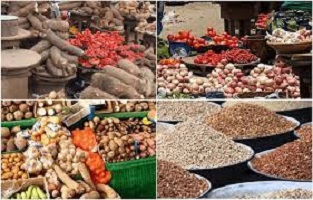
A trip to the market can involve more calculations than ever before.
Instead of arriving with a long shopping list and buying everything needed, some families now begin with a specific amount of money. The budget comes first, and the shopping list changes to fit it.
A person may plan to buy rice, beans, vegetables, eggs, meat and fruit. But after checking the prices of the first few items, the plan may need to change.
Perhaps the meat becomes a smaller portion. Maybe eggs replace another source of protein. Vegetables may be purchased in smaller quantities, while staple foods that can feed more people for longer are given priority.
The goal is no longer simply to buy what the family wants.
The goal is to make sure the available money produces enough meals.
Planning Meals Before Shopping
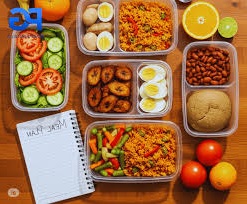
One way families can manage food budgets is by planning meals before going to the market.
Meal planning may sound like something reserved for people following special diets, but it can also be a practical money-saving habit.
When families know what they intend to cook during the week, they can buy ingredients with a clearer purpose. This can reduce impulse buying and prevent food from being forgotten until it spoils.
For example, a family might plan meals around ingredients that can be used in more than one dish.
Vegetables purchased for soup may also be used in another meal. Beans can appear in different forms during the week. A pot of stew can be carefully portioned and used alongside different staple foods.
This does not mean every meal has to be identical.
It simply means thinking ahead.
Small Budgets: Buying What Will Last
Food waste can quietly destroy a household budget.
Imagine buying fresh fruits, vegetables or other perishable foods and then forgetting to use them before they spoil. The money spent on that food is lost.
This is why some families are paying closer attention to how long food will last.
Non-perishable foods, properly stored grains and other ingredients that can be used gradually may help households manage their spending over time.
However, this does not mean fresh food should disappear from the table.
Instead, families can think carefully about quantity. Buying an amount that can realistically be consumed before it spoils may sometimes be wiser than buying more simply because it seems like a good deal.
The cheapest food is not always the best value if half of it ends up in the bin.
Smaller Portions, Smarter Cooking
Another adjustment taking place in many homes is portion control.
Cooking more food than the household can eat may lead to waste, especially when storage conditions are difficult. On the other hand, cooking too little may leave people hungry.
Finding the right balance requires understanding how much the family actually consumes.
Some households are beginning to measure ingredients more carefully instead of cooking based only on guesswork.
A certain quantity of rice may be enough for a particular number of people. A specific number of cups of beans may last for several meals. Understanding these patterns can make shopping and cooking easier to plan.
Small changes can make a difference over time.
Protein Is Becoming a Bigger Decision
For many Nigerians, protein has become one of the most carefully considered parts of the food budget.
Meat, fish, chicken and eggs may compete with other household needs for limited money.
As a result, families may look for ways to spread protein across several meals.
A small quantity of fish, for example, can be used to add flavour to soup rather than serving a large portion to each person. Beans, eggs and other locally available foods may also play a greater role in meal planning.
The challenge is to maintain variety while working within a realistic budget.
Families should remember that eating well does not always mean eating expensive food. A balanced approach can include different locally available ingredients, depending on what is affordable and accessible.
Small Budgets: The Return of Local and Seasonal Foods
When imported or highly processed foods become expensive, local foods can become more attractive.
Nigeria has a wide variety of locally grown crops and traditional ingredients. Depending on the season and location, some foods may be more available and affordable than others.
This creates an opportunity to rediscover ingredients that may sometimes be overlooked.
Instead of trying to prepare the same meals every week regardless of price changes, families can adjust their menus based on what is currently abundant.
Seasonal thinking can encourage creativity in the kitchen.
It can also support local farmers, traders and food producers.
Children Are Also Learning About Food Budgets
The food situation is teaching young Nigerians important lessons about money.
Children and teenagers can learn that food does not simply appear in the kitchen. Someone has to earn the money, make decisions about what to buy, transport the food home and prepare it.
Involving young people in simple meal planning can help them understand the value of food.
They can learn how to make shopping lists, compare prices, reduce waste and suggest affordable meal ideas.
These are life skills.
A young person who understands how to plan meals with a budget may grow into an adult who makes more informed financial and nutritional decisions.
Small Budgets: Creativity Is Becoming an Important Ingredient
One of the most interesting things about Nigerian food culture is the ability to adapt.
When one ingredient becomes too expensive, another may take its place. Leftovers can sometimes be transformed into a new meal. Ingredients can be combined in creative ways.
This creativity should not be romanticised. Families should not have to struggle just to eat a decent meal.
However, it is important to recognise the resilience and resourcefulness that many Nigerians demonstrate every day.
Across homes, people are finding ways to make limited resources go further.
The Bigger Question: How Long Can Families Keep Stretching?
While smart shopping and meal planning can help, they are not complete solutions to the wider challenge of food affordability.
There is a limit to how much a family can cut back.
Eventually, households may have to reduce portion sizes, remove certain foods from their diets or choose cheaper options that may not provide the same variety.
This is why food affordability is not only a personal finance issue.
It is connected to farming, transportation, storage, electricity, employment, inflation and the wider economy.
Helping families access affordable food requires solutions at many levels.
Farmers need support to produce more food. Better roads and transportation can help reduce losses between farms and markets. Improved storage can prevent food from spoiling. Young people can also explore opportunities in agriculture, food processing and food technology.
Small Budgets: Every Naira Has a Story
Behind every food budget is a family making decisions.
A mother deciding whether to buy fruit or save the money for another meal. A student learning to cook affordable food. A father comparing prices at different shops. A trader adjusting her own household shopping after spending the day selling food at the market.
These decisions may happen quietly, but together they tell a bigger story about how Nigerians are adapting.
Small budgets are forcing big decisions.
Yet, in the middle of the challenge, there is still room for smarter planning, less waste, greater creativity and stronger support for local food systems.
The goal should not simply be to survive on less.
The bigger goal should be a Nigeria where every family can afford enough safe, nutritious and diverse food without having to make impossible choices.
Until then, Nigerian kitchens will continue to demonstrate something powerful: sometimes, making a meal is not just about cooking.
It is about planning, adapting and making every naira count.