How Nigerian Families Are Adapting to Expensive Meals
The Rising Cost of Cooking: How Nigerian Families Are Adapting to Expensive Meals
For many Nigerian families, cooking at home used to be one of the easiest ways to save money. Today, however, preparing a simple family meal can feel like a financial calculation. The cost of rice, beans, tomatoes, onions, vegetables, cooking oil, meat, fish, seasoning, and even cooking gas has made everyday cooking more expensive.
Across Nigeria, families are finding creative ways to stretch their food budgets. Some are buying smaller quantities, others are replacing expensive ingredients with cheaper alternatives, while many are cooking meals that can last for several days. The Nigerian kitchen is changing—and families are learning how to adapt.
Expensive Meals: Why Is Cooking Becoming More Expensive?
Several factors contribute to the rising cost of preparing meals in Nigeria. Food production depends heavily on farmers having access to seeds, fertilizer, equipment, labour, water, and transportation. When the cost of producing food increases, consumers often feel the impact at the market.
Transportation is another major factor. Food grown in one part of the country may travel hundreds of kilometres before reaching consumers. Higher transportation expenses can increase the final price of food at markets and neighbourhood shops.
The cost of cooking itself has also become an important concern. Families using cooking gas, electricity, or other cooking fuels have to consider energy expenses when planning their meals.
As these costs add up, a meal that once seemed affordable can quickly become expensive.
Expensive Meals: Families Are Changing What They Cook
One of the biggest changes happening in Nigerian households is the way families choose their meals.
When meat becomes too expensive, some families reduce the quantity they buy or use it mainly as an ingredient rather than the main attraction of the meal. Instead of serving large pieces of meat to everyone, a family may prepare a soup with smaller portions and complement it with vegetables, beans, eggs, or other affordable sources of protein.
Expensive ingredients are also being replaced where possible. For example, families may choose seasonal vegetables because they are often more affordable than items that are scarce.
This does not necessarily mean families have stopped enjoying traditional Nigerian dishes. Instead, they are modifying recipes to fit their budgets.
Expensive Meals: The Rise of “Stretching” Meals
Nigerian families have always been creative with food, but rising prices are making food-stretching strategies even more important.
A pot of stew may be prepared with enough tomatoes, peppers, onions, and other ingredients to serve several meals. Beans can be cooked in large quantities and eaten with different accompaniments. Rice can be combined with vegetables or beans to create a filling meal.
Leftovers are also being transformed into new dishes instead of being thrown away.
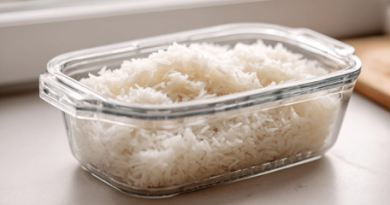
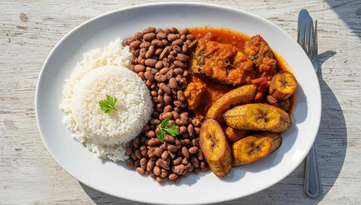
For example, leftover rice can become fried rice or jollof-style rice with additional vegetables and seasoning. Leftover beans can be served with bread, rice, plantain, or yam. Extra stew can be used to prepare another meal rather than starting from scratch.
This approach helps families reduce food waste while making their groceries last longer.
Buying in Bulk Can Help — but Not Everyone Can Afford It
Buying food in larger quantities can sometimes reduce the cost per unit. Families may buy bags of rice, beans, garri, or other staples when they can afford to do so.
However, bulk buying is not always an option for households living on tight budgets. A family may know that buying a larger quantity is cheaper in the long run but still lack enough money to make the initial purchase.
As a result, many households continue to buy smaller quantities according to what they can afford at the moment.
This has created a difficult situation: buying small amounts may provide immediate relief, but it can sometimes cost more over time.
Expensive Meals: Food Waste Is Becoming Less Acceptable
When food becomes expensive, wasting it becomes harder to justify.
Families are becoming more careful about how much they cook. Instead of preparing a large pot that may spoil before it is eaten, some households prepare smaller quantities.
Proper food storage is also becoming more important. Refrigerating leftovers, storing dry foods correctly, and using ingredients before they spoil can help households get more value from their purchases.
Even vegetable peels, stalks, and other parts of food that might previously have been discarded are sometimes being considered for creative cooking or other household uses.
The goal is simple: waste less and make every purchase count.
Expensive Meals: The Challenge of Balanced Nutrition
One of the biggest concerns about expensive food is its effect on nutrition.
When families are under financial pressure, cheaper foods can become more attractive. Staples such as rice, garri, bread, noodles, and other filling foods can help satisfy hunger, but a healthy diet also requires adequate protein, fruits, vegetables, and other nutrients.
This creates a difficult balancing act for parents and caregivers.
Families are therefore looking for affordable ways to maintain nutritional variety. Beans, eggs, locally available vegetables, groundnuts, and other relatively accessible foods can become important parts of meals depending on local prices and availability.
The challenge is not simply finding food—it is finding food that is affordable, filling, nutritious, and suitable for the household.
Nigerian Women Are Carrying Much of the Burden
In many Nigerian households, women are traditionally responsible for much of the cooking and food planning. Rising food prices therefore create an additional burden for mothers, wives, grandmothers, and other caregivers.
They have to think about what the family will eat, how much it will cost, which ingredients are available, and how to make the food last.
A simple question such as “What are we cooking today?” can now involve serious financial planning.
This invisible work deserves recognition because managing a household food budget requires creativity, patience, and careful decision-making.
Young People Are Learning to Cook Differently
The changing food economy is also influencing younger Nigerians.
Young people who live alone or away from their families are learning how to prepare affordable meals rather than relying entirely on restaurants or takeaway food.
Social media has also become a source of inspiration. Budget recipes, one-pot meals, leftover transformations, and affordable Nigerian food ideas are increasingly useful for people trying to reduce their expenses.
This could have a positive long-term effect by encouraging a generation to become more conscious of food costs, nutrition, planning, and waste.
Restaurants and Food Vendors Are Also Feeling the Pressure
The rising cost of ingredients does not affect households alone.
Restaurants, bukas, street-food vendors, caterers, and other food businesses must also deal with higher costs. When the prices of ingredients, transportation, fuel, packaging, and other operating expenses increase, businesses have difficult decisions to make.
Some may increase prices, reduce portion sizes, change menus, or find cheaper alternatives.
Customers, however, also have limited budgets. This creates pressure on both sides.
For many Nigerians, eating outside the home is becoming something to consider carefully rather than an everyday choice.
Expensive Meals: What Can Families Do?
Although individuals cannot control the entire food economy, there are practical ways families can manage their food budgets.
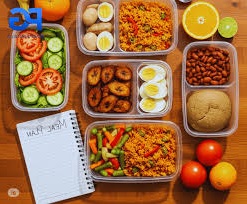
Plan meals before shopping. A simple weekly meal plan can reduce unnecessary purchases.
Compare prices. Prices can vary between markets, shops, and neighbourhoods, so checking different options can sometimes save money.
Buy seasonal foods. Foods that are abundant during certain periods may be more affordable.
Reduce waste. Store food properly and find creative ways to reuse safe leftovers.
Cook strategically. Preparing meals that can be served in different ways can reduce the need to buy new ingredients every day.
Prioritise nutrition. Even with a limited budget, families should try to include affordable sources of protein and vegetables whenever possible.
The Nigerian Kitchen Is Adapting
The rising cost of cooking is changing Nigerian households, but it is also revealing something important about Nigerian families: resilience.
People are finding new ways to prepare familiar meals, stretch ingredients, reduce waste, and make limited resources go further. Traditional cooking is being combined with new ideas, creating practical solutions for difficult economic times.
But families should not have to rely entirely on creativity to afford nutritious meals. Affordable food, stable food systems, support for farmers, efficient transportation, and policies that help reduce unnecessary costs are important for building a more secure food future.
For now, Nigerian families continue to do what they have always done—adapt.
The question is no longer simply “What are we cooking today?”
For many households, the bigger question is:
“How can we cook something nutritious, filling, and affordable enough to feed everyone?”
And that question tells a much bigger story about the changing cost of living in Nigeria.