Nigerian Food Economy: The Reality Behind Every Plate
Nigerian Food Economy: The New Reality Behind Every Plate
There was a time when you could walk into a Nigerian market with a few thousand naira and return home feeling like you had accomplished something.
Why Nigerians Are Spending More on Food: The New Reality Behind Every Plate
Today?
You can spend the same amount and still wonder where the food is.
Rice. Tomatoes. Pepper. Eggs. Meat. Cooking oil. Bread. Even the humble garri has become something Nigerians think twice about before buying.
The question is no longer simply “What are we eating today?”
For millions of Nigerians, it has become:
Nigerian Food Economy: “How much will eating today cost me?”
Nigeria’s food story is changing, and young Nigerians are right in the middle of it. Food is taking a larger bite out of household budgets, while students, young workers, families and small business owners are finding increasingly creative ways to eat, cook and survive.
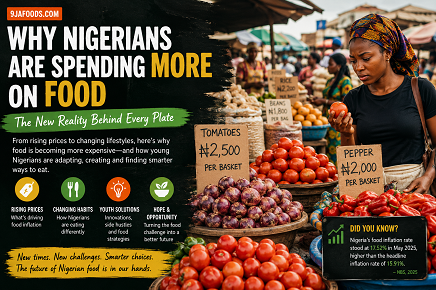
According to the National Bureau of Statistics, Nigeria’s food inflation rate was 17.52% on its current 2024-based CPI series, compared with headline inflation of 15.91%.
But statistics only tell part of the story.
The real story is happening in kitchens, markets, hostels and roadside food spots across the country.
Nigerian food economy: The “Food Is Now a Luxury” Conversation
Food has always been a major part of Nigerian life.
- We celebrate with food.
- We welcome guests with food.
- We settle arguments over food.
- We express love through food.
But when food becomes significantly more expensive, it affects much more than the kitchen.
It changes lifestyles.
A young person who once bought lunch every day may now carry food from home. A student who regularly bought eggs may reduce how often they eat them. A family that used to prepare several dishes may decide to cook one large pot that can last for days.
In Lagos, residents have reported that even when some food prices fall, low purchasing power can still make groceries difficult to afford.
That is an important distinction.
The problem is not always simply that food is expensive. It is that people’s income may not be increasing at the same pace as their expenses.
Why Does Food Cost So Much?
There isn’t one villain.
Nigeria’s food prices are influenced by several connected factors.
Transportation is one.
Food has to move from farms to markets, and trucks need fuel. When transportation becomes more expensive, that cost can eventually appear on the price tag of rice, yam, tomatoes, onions and other food items.
Recent reporting has linked higher fuel and transportation costs to increases in staple-food prices in different parts of Nigeria.
Then there is production.
Farmers deal with the cost of seeds, fertiliser, labour, equipment and transportation. When producing food becomes more expensive, somebody eventually has to absorb that cost.
Sometimes that somebody is the consumer.
Climate and seasonal changes also matter. A poor harvest or shortage can push prices higher, while periods of greater supply can bring some prices down.
That is why the price of your favourite food can seem to change every time you visit the market.
Nigerian Food Economy: The Tomato Problem
If you want to understand Nigerian food economics, watch the tomato.
One week, you’re planning a serious pot of stew.
The next week, you’re standing in the market staring at a small bowl of tomatoes as though it has personally offended you.
Recent reports have highlighted how rising tomato and pepper prices have forced households to reduce the quantities they buy or look for cheaper alternatives.
And that small change can affect the entire meal.
Less tomato can mean less stew.
Less stew can mean more reliance on other foods.
Suddenly, a change in one ingredient changes the way an entire household eats.
That is how food inflation moves from a market statistic into everyday life.
Young Nigerians Are Becoming “Food Strategists”
Perhaps one of the most interesting trends is how young Nigerians are responding.
They are becoming food strategists.
Instead of simply asking what they want to eat, they are asking:
- What can I afford?
- What will last longer?
- What can I cook in bulk?
- What ingredients can I use in several meals?
Where can I buy it cheaper?
This has created a new generation of budget-conscious foodies.
Someone can love food and still be extremely careful with money.
That is why content around cheap meals, student meals, meal planning, market prices, food hacks and budget recipes continues to attract attention online.
Food content is no longer only about showing off beautiful plates.
Sometimes, it is about showing people how to make ₦5,000 stretch further.
Nigerian Food Economy: The Return of Home Cooking
One unexpected consequence of rising food costs is the renewed importance of cooking at home.
For young Nigerians living alone or away from home, cooking can initially feel like hard work.
There is the shopping.
The washing.
The chopping.
The cooking.
And, unfortunately, the washing of the dishes.
But when buying prepared food regularly starts draining your wallet, the kitchen begins to look different.
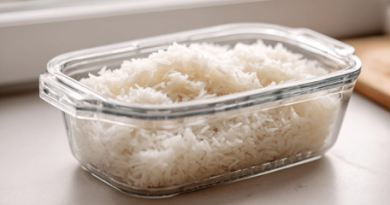
A pot of rice can become several meals.
Beans can be prepared in bulk.
Stew can serve as a foundation for different dishes.
Leftovers can become tomorrow’s lunch.
Home cooking becomes less about being traditional and more about being smart with money.
But There Is a Catch
Eating cheaply does not always mean eating well.
When budgets become tight, people may prioritise foods that are filling and affordable over foods that provide a wider range of nutrients.
That is where Nigeria’s food conversation needs to become bigger.
We should not only ask:
“How can Nigerians eat for less?”
We should also ask:
“How can Nigerians eat affordably and nutritiously?”
That is a challenge for families, policymakers, farmers, food businesses and young innovators.
Because nobody should have to choose between affordability and healthy eating.
The Opportunity Hidden Inside the Problem
Here is the part we don’t talk about enough.
Food challenges can also create opportunities.
Young Nigerians are already turning food problems into businesses.
Some are creating affordable meal services.
Others are selling locally produced food products.
Some are building food-delivery businesses.
Others are creating content around budget cooking.
There is enormous room for innovation in food storage, farming, packaging, food processing, transportation and reducing food waste.
Imagine a young entrepreneur creating a service that helps students find affordable meals near their campuses.
Imagine another building technology that helps farmers reduce post-harvest losses.
Or that a food creator teaching thousands of young Nigerians how to prepare nutritious meals with affordable local ingredients.
The food crisis does not only need consumers.
It needs problem-solvers.
Nigerian Food Economy: Nigerians Are Eating Differently
The most fascinating thing about this moment is that Nigerian food culture is adapting.
People are changing portion sizes.
Changing ingredients.
Changing where they shop.
Cooking differently.
Buying collectively.
Saving leftovers.
Searching for cheaper substitutes.
And discovering foods they might previously have ignored.
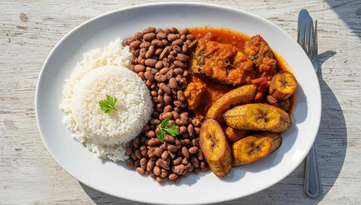
The Nigerian plate is becoming a reflection of the economy.
But it is also becoming a reflection of Nigerian creativity.
Because if there is one thing Nigerians are good at, it is finding a way.
Takeaway
The rising cost of food is more than an economic story.
- It is a lifestyle story.
- It is a youth story.
- It is a family story.
And ultimately, it is a story about how Nigerians adapt.
The future of Nigerian food may not simply be about discovering new recipes. It could be about discovering smarter ways to produce, buy, cook, preserve and share food.
So the next time you notice that your favourite meal costs more than it used to, remember that there is a much bigger story behind that plate.
Nigeria is not just experiencing a food-price problem. It is being challenged to reinvent the way it feeds itself.
And perhaps the young Nigerians holding the phones, running small food businesses, experimenting in their kitchens and solving problems in their communities will be the ones to shape what comes next.