The Rise of Nigerian Street Food Culture
The Rise of Nigerian Street Food Culture: How Local Eats Are Becoming Global Trends in 2026
Across Nigeria’s bustling cities, something powerful is happening in the food world. From Lagos roadside grills to Abuja night markets and Port Harcourt food corners, street food is no longer just “quick food on the go”—it is becoming a full cultural movement, a business empire, and even a global trend.
In 2026, Nigerian street food is gaining recognition not only for its bold flavors but also for its creativity, affordability, and social connection. What was once considered informal eating is now shaping food tourism, social media content, and modern entrepreneurship.
This is the story of how Nigerian street food is evolving—and why the world is paying attention.
1. Nigerian Street Food Culture: Street Food Is Becoming a Lifestyle, Not Just a Meal
In the past, street food was simply a convenient option for busy workers, students, and travelers. Today, it has transformed into a lifestyle experience.
People now intentionally go out in the evenings to enjoy street food as entertainment. It is no longer just about hunger—it is about atmosphere, music, community, and experience.
From smoky suya spots to lively bole stands, street food locations are becoming social hubs where friends gather, stories are shared, and culture is celebrated.
2. Suya Culture Is Expanding Beyond the Grill
Suya, one of Nigeria’s most iconic street foods, is experiencing massive evolution.
Traditionally made with spicy grilled beef, suya is now being reimagined in creative ways. Vendors are offering chicken suya, fish suya, turkey suya, and even plant-based alternatives for health-conscious customers.
What makes suya culture special is not just the taste, but the experience: the aroma of spices, the sizzling grill, and the late-night energy around the stand.
In 2026, suya is no longer just food—it is a brand, a lifestyle, and in some cases, a franchise business.
3. Nigerian Street Food Culture”The Rise of “Bole and Fish” as Premium Street Food
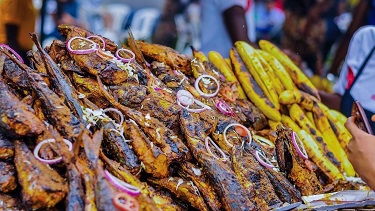
Roasted plantain (bole) with grilled fish has moved from a regional favorite to a nationwide obsession.
Once considered simple street food, it is now being served in upgraded versions with better presentation, improved hygiene, and premium pricing in urban food courts.
The combination of smoky plantain, spicy pepper sauce, and well-seasoned fish has made it one of the most satisfying Nigerian street meals.
Food lovers now treat bole spots as destination eateries rather than roadside stops.
4. Nigerian Street Food Culture: Street Food Vendors Are Becoming Entrepreneurs
One of the biggest changes in Nigeria’s food scene is the rise of street food entrepreneurship.
Vendors are no longer operating informally—they are building brands. Many now have:
- Business names and logos
- Social media pages
- Delivery options via WhatsApp and apps
- Standardized menus and pricing
A simple roadside cart can now grow into a registered food business serving hundreds of customers daily.
This shift is empowering young people and small business owners to turn cooking skills into sustainable income.
5. Social Media Is Driving Street Food Popularity
Platforms like TikTok, Instagram, and YouTube have completely transformed how street food is discovered and consumed.
A single video of sizzling suya, dripping bole, or spicy pepper soup can attract thousands of viewers within hours.
Food content creators are now actively documenting street food vendors, turning hidden local spots into viral sensations overnight.
This digital exposure is helping small vendors grow beyond their physical location and attract customers from across cities.
6. Hygiene and Presentation Are Improving Rapidly
One of the most important developments in 2026 is the growing focus on cleanliness and food safety in street food vending.
Many vendors are upgrading their stalls with:
- Clean cooking surfaces
- Covered food displays
- Disposable packaging
- Gloves and food handling tools
Customers are also becoming more conscious of hygiene, encouraging vendors to maintain better standards.
This improvement is making street food more acceptable to middle-class consumers who previously avoided it.
7. Street Food Tourism Is Emerging in Nigeria
Tourists visiting Nigeria are no longer just interested in hotels and restaurants—they want street food experiences.
Food tours in cities like Lagos and Abuja now include visits to famous suya spots, local markets, and roadside grills.
Visitors are eager to taste authentic Nigerian flavors in their most original form.
This is turning street food into a tourism asset that represents Nigerian identity and culture.
8. Nigerian Street Food Culture: Fusion Street Food Is Taking Over
Another exciting trend is the blending of traditional Nigerian street food with global influences.
Vendors are experimenting with fusion creations such as:
- Suya tacos
- Jollof rice burgers
- Plantain wraps
- Pepper soup noodles
- Bole burritos
These creative combinations are attracting younger customers who enjoy trying new food experiences while still enjoying familiar flavors.
Fusion street food is helping Nigerian cuisine gain international appeal.
9. Night Food Culture Is Expanding Rapidly
Night-time eating is becoming a major part of urban life in Nigeria.
After long workdays, people gather at roadside food spots late into the night. The atmosphere is vibrant, with music, conversations, and freshly prepared food.
Popular night foods include:
- Suya and drinks
- Roasted plantain and fish
- Noodles and egg mixes
- Pepper soup
This nightlife food economy is creating income opportunities for vendors who operate during evening hours.
10. Street Food Is Becoming a Symbol of Identity
Beyond business and taste, Nigerian street food represents identity.
It reflects resilience, creativity, and community. Every dish tells a story of culture passed through generations.
From spicy pepper soups to smoky grills and roasted snacks, street food connects people across different backgrounds.
It is affordable, accessible, and deeply rooted in everyday life.
As Nigeria continues to evolve, street food remains one of the strongest cultural expressions of who people are and how they live.
Final Thoughts on Nigerian Street Food Culture
It is shaping entrepreneurship, attracting tourism, and gaining global attention through social media and food innovation.
In 2026, street food is not only feeding people—it is building communities, creating jobs, and telling the story of a nation through flavor.
Whether it is a smoky stick of suya, a hot plate of bole and fish, or a creative fusion dish, one thing is clear:
Nigerian street food is rising, evolving, and taking its place on the global culinary stage